
How to Define Premium Sustainable Corporate Gifts Without Settling for Predictable Swag
When you hear the phrase “eco-friendly promotional items,” what is the first image that flashes through your mind?
For many brand directors and corporate planners, it is a predictable, low-cost list: a flimsy canvas tote bag, a rough cardboard notebook, or a cheap wheat-straw ballpoint pen. Because the market has been flooded with these commodity items, a common misconception has solidified—that choosing sustainable materials inherently means sacrificing a premium brand identity.
But true environmental responsibility does not require your organization to settle for predictable novelties. You can craft premium sustainable corporate gifts that challenge expectations, combining strict ESG compliance with a retail-grade luxury aesthetic.
The secret does not lie in the raw circular materials themselves, but in how design thinking is applied to everyday lifestyle objects. Here is the operational framework of how we redefine sustainable gifting by matching innovative technical textures with real daily utility.
Redefining Materials: Three Textures Shifting Corporate Perceptions
The most memorable gifts are those that challenge physical expectations. By moving away from cheap novelties and focusing on advanced bio-based or recycled materials, you can provide clients and stakeholders with functional items they actually want to use outside the office space.
1. Washable Kraft Paper: The Leather Alternative
When people hear “kraft paper,” they usually think of a brown grocery bag that rips when it gets wet. Washable kraft paper completely flips this assumption.
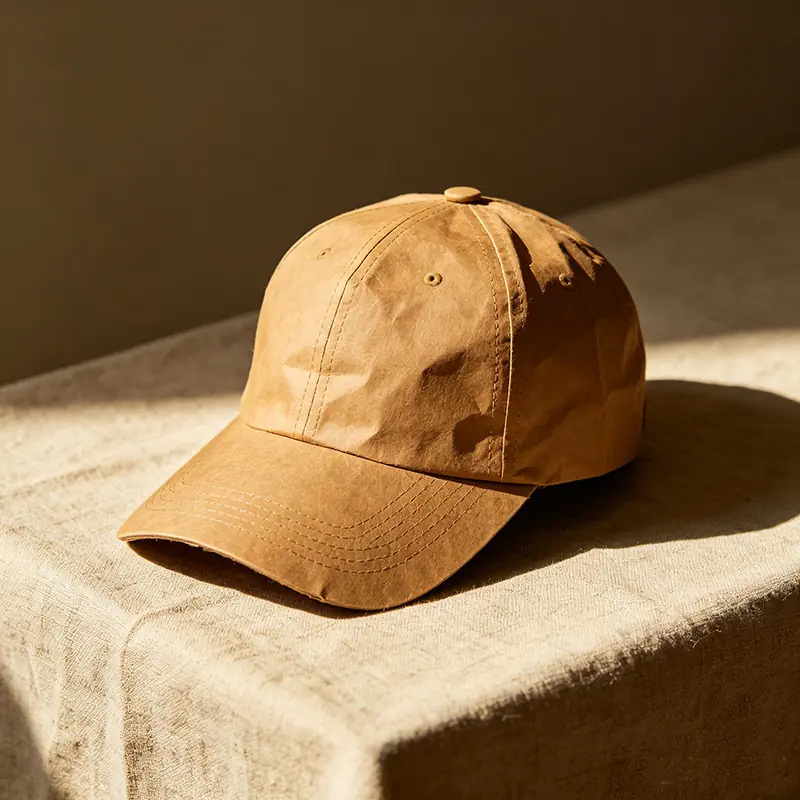
Made entirely from natural wood cellulose, this material is treated to be entirely water-resistant, tear-proof, and machine washable. It can be dyed in rich colors and textures that look and feel so much like premium leather that it is difficult to spot the difference at a glance. It ages beautifully over time, developing a unique tactile character. A structured item like a commuter travel pouch or a minimal tech organizer made from this material changes the entire perception of what “paper” can do.
2. DuPont Tyvek: The High-Tech Architectural Texture
If your target audience consists of modern tech professionals or creative teams, they likely already appreciate industrial aesthetics. DuPont Tyvek is the perfect material to bridge that gap.
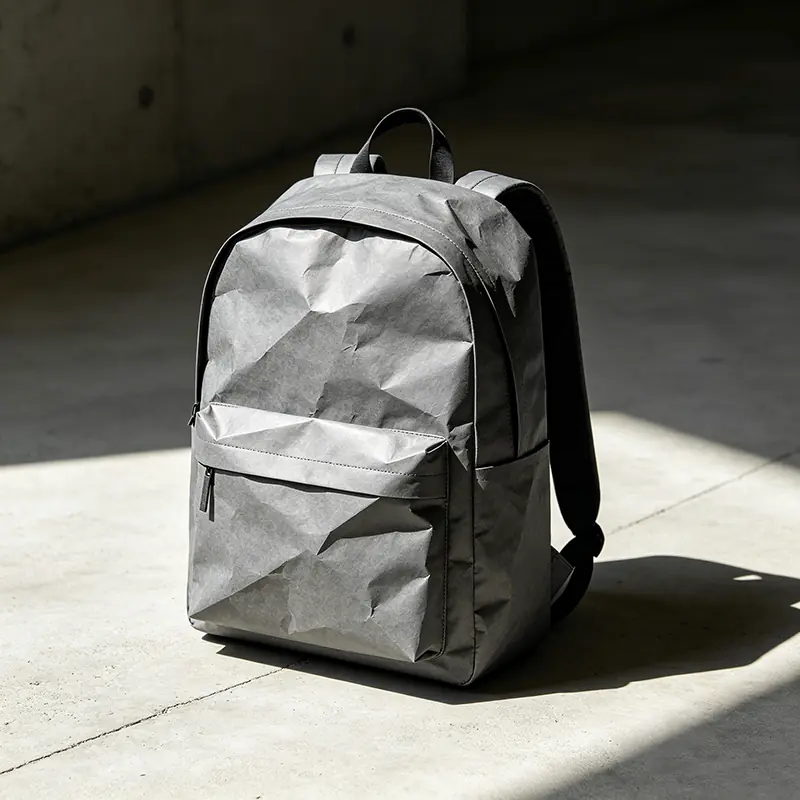
It looks like crinkled paper, but it is actually a flash-spun high-density polyethylene. It is incredibly lightweight, completely waterproof, and nearly impossible to tear. When utilized for daily items like minimalist tech sleeves or multi-functional travel gear, its architectural texture offers a crisp, modern aesthetic that feels miles away from conventional, boring corporate swag.
3. High-Gloss Bamboo Fiber: Clean, Smooth, and Vibrant
Many buyers avoid bamboo composites because they are used to a rough, porous texture that stains easily and only comes in dull colors.
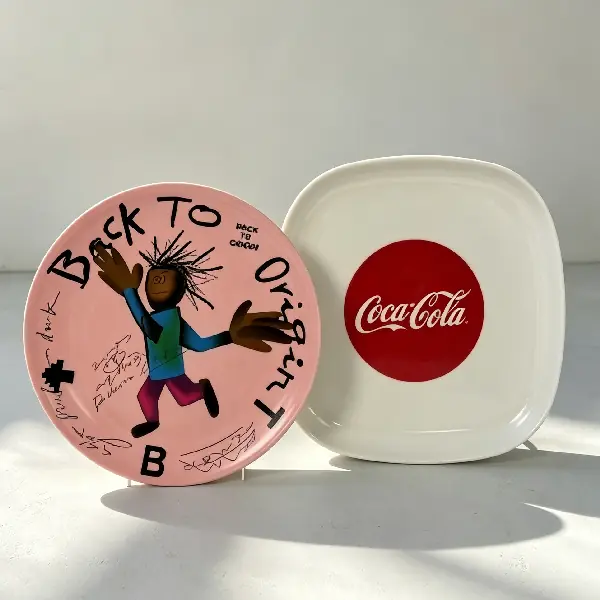
Modern compounding changed this process. Bamboo fiber can now be molded into ultra-smooth, lightweight desktop storage organizers and daily homewares. By applying a premium smooth finish, it allows for high-fidelity brand printing while remaining 100% biodegradable. It feels like high-end porcelain or solid polymer on a desk, but carries a zero-waste story.
Technical Realities & Operational Parameters
Before adding these innovative textures to your upcoming milestone gift ideas and corporate design lookbooks, here are the industrial parameters of manufacturing with advanced sustainable materials:
What is the MOQ for custom sustainable gifts?
Because items utilizing advanced materials like DuPont Tyvek, washable kraft paper, or custom-molded bamboo fiber require specific industrial setups, we cannot offer a flat, low-volume MOQ for this category.
Depending on the specific factory line and tooling required, the minimum order quantity generally ranges between 200 to 500 units per batch. We prefer to be upfront about these manufacturing realities to ensure we only deliver retail-grade, flawless quality without compromising structural integrity.
What is the production timeline for bespoke eco-friendly items?
Creating a custom sustainable product involves a structured, step-by-step engineering process.
Molding & Sampling requires 10–14 days to engineer the specific custom mold and produce the initial physical sample.
Mass Production takes approximately 15–20 days for compounding, mass pressing, and high-fidelity engraving after your team approves the pre-production sample.
On average, please allocate a 30-day production window from final blueprint approval to delivery.
What are the global shipping options and timelines?
Logistics vary based on your event location and budget constraints. We provide two reliable shipping methods worldwide: Express Air Freight takes approximately 7 business days (ideal for tight corporate event deadlines), while Sea Freight takes approximately 30 days, offering the most cost-effective solution for large-scale distribution or bulk corporate milestone gifts.
Can we request a free design proposal before committing?
Yes. Navigating technical textures requires precise visual planning. We provide a free tailored design proposal aligned with your brand identity guidelines and ESG targets. This ensures your team can visualize the final product aesthetic before any production or tooling begins.
Bring Sustainable Elegance to Your Next Brand Activation
Meeting your corporate sustainability goals doesn’t mean your brand needs to settle for predictable, low-cost novelty items. By introducing high-end textures like waterproof washable paper, industrial Tyvek, and smooth bamboo composites, you can provide an unboxing experience that reflects your company’s premium standards and values.
Let’s collaborate to build something your team and clients will actually keep.
📬 Ready to explore the possibilities? Share your upcoming brand activation theme, and our design studio will build a tailored visual concept with precise structural material specifications for your review.